

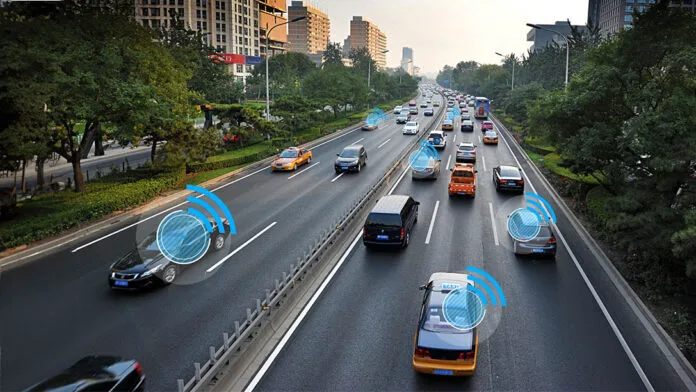
Not long ago, features such as automatic braking, lane-centering technology, and adaptive cruise control were exclusive to luxury vehicles costing a fortune. Today, however, these technologies are rapidly becoming standard equipment across a wide range of cars, from affordable hatchbacks to premium SUVs.
The automotive industry is undergoing one of the most significant transformations in its history. Cars are no longer judged solely on horsepower, fuel efficiency, comfort, or design. Increasingly, they are being evaluated on how intelligent they are.
This shift has given rise to a technology category known as Advanced Driver Assistance Systems, commonly referred to as ADAS. Automakers around the world are investing billions into these systems, viewing them as a critical bridge between traditional vehicles and fully autonomous transportation.
As consumers encounter terms like Lane Keep Assist, Adaptive Cruise Control, Automatic Emergency Braking, and Driver Monitoring Systems, one question naturally arises: What is ADAS, and why is it becoming such an important part of modern driving?
The answer lies in the industry’s ongoing effort to make roads safer, reduce accidents, and create a future where vehicles can actively assist drivers rather than simply respond to their commands.
What Is ADAS?
ADAS stands for Advanced Driver Assistance Systems, a collection of technologies designed to help drivers operate vehicles more safely and efficiently. Rather than replacing drivers entirely, these systems act as intelligent assistants that continuously monitor the vehicle’s surroundings and intervene when necessary.
At its core, ADAS is designed to compensate for human limitations. Drivers can become distracted, tired, stressed, or simply fail to notice potential hazards. ADAS technologies help reduce the likelihood of accidents by providing warnings, corrective actions, and, in some cases, automatic intervention.
The systems rely on a sophisticated combination of cameras, radar sensors, ultrasonic sensors, artificial intelligence software, and high-speed computing systems. Together, these components create a digital awareness of the vehicle’s environment.
Think of ADAS as a co-driver that never gets tired. It constantly watches the road, monitors surrounding traffic, tracks lane markings, identifies pedestrians, and evaluates potential risks. While the driver remains in control, the vehicle gains an additional layer of intelligence that can help prevent mistakes before they become accidents.
Why ADAS Is Becoming Essential In Modern Cars
The rapid growth of ADAS technology is not happening by accident. Several factors are driving its adoption across the global automotive industry.
One of the most important reasons is road safety. Human error remains the leading cause of traffic accidents worldwide. Distraction, fatigue, poor judgment, speeding, and delayed reaction times contribute to countless collisions every year.
Automakers and regulators increasingly believe that intelligent assistance systems can significantly reduce these risks. By helping drivers react more quickly and providing additional situational awareness, ADAS can prevent many common accident scenarios.
Consumer expectations are also changing. Today’s buyers are accustomed to technology in every aspect of their lives. Smartphones, smart homes, and wearable devices have created an expectation that technology should actively assist users. Modern vehicles are following the same trend.
Government regulations are further accelerating adoption. In many markets, safety standards are becoming stricter, and several ADAS features are either required or strongly encouraged by regulators. This means technologies that were once considered premium options are gradually becoming standard safety equipment.
Perhaps most importantly, ADAS serves as the foundation for future autonomous driving systems. Every lane-centering function, collision avoidance feature, and adaptive cruise control system contributes to the development of self-driving technology.
How ADAS Actually Works
To understand the capabilities of ADAS, it’s important to understand how these systems gather and process information.
Modern vehicles equipped with ADAS rely on a network of sensors positioned around the vehicle. These sensors constantly collect data about the surrounding environment and send it to onboard computers for analysis.
Cameras play a crucial role in identifying lane markings, traffic signs, pedestrians, cyclists, and other vehicles. Positioned strategically around the vehicle, they provide visual information similar to what a human driver sees.
Radar sensors complement cameras by measuring distance and relative speed. Unlike cameras, radar performs effectively in poor weather conditions and low-light environments. This makes it particularly useful for systems such as Adaptive Cruise Control and Automatic Emergency Braking.
Ultrasonic sensors are commonly used during parking maneuvers and low-speed driving situations. These sensors detect nearby obstacles and help drivers navigate tight spaces safely.
The real magic happens inside the vehicle’s processing systems. Advanced software combines information from multiple sensors to create a detailed understanding of the surrounding environment. This process, often called sensor fusion, allows the vehicle to make intelligent decisions based on a comprehensive view of the road.
When the system identifies a potential hazard, it can alert the driver, apply braking, adjust steering inputs, or take other actions depending on the situation and the capabilities of the vehicle.
Lane Keep Assist: Preventing Unintended Lane Departures
One of the most widely recognized ADAS features is Lane Keep Assist.
Every year, thousands of accidents occur because drivers unintentionally drift out of their lanes. Fatigue, distraction, and momentary lapses in concentration can all contribute to these incidents.
Lane Keep Assist is designed to address this problem.
Using cameras mounted near the windshield, the system continuously monitors lane markings on the road. If the vehicle begins drifting out of its lane without the turn signal being activated, the system first alerts the driver.
In more advanced implementations, the vehicle can apply gentle steering corrections to guide itself back toward the center of the lane.
For many drivers, especially those who spend long hours on highways, Lane Keep Assist reduces stress and improves confidence behind the wheel. The system acts as an additional safety net, helping prevent potentially dangerous mistakes.
However, it is important to remember that Lane Keep Assist is not a replacement for active driving. The technology works best when lane markings are clearly visible and road conditions are favorable. Drivers must remain attentive and maintain full control of the vehicle at all times.
Adaptive Cruise Control: Transforming Highway Driving
Traditional cruise control has existed for decades, allowing drivers to maintain a constant speed without continuously pressing the accelerator.
Adaptive Cruise Control takes this concept much further.
Rather than simply maintaining a preset speed, Adaptive Cruise Control actively monitors traffic ahead and adjusts the vehicle’s speed accordingly. Using radar and cameras, the system measures the distance between vehicles and automatically accelerates or decelerates as traffic conditions change.
Imagine driving on a busy highway. Instead of constantly adjusting speed in response to slower vehicles, Adaptive Cruise Control handles these adjustments automatically.
The result is a smoother, less stressful driving experience.
Long-distance travel becomes significantly more comfortable because the driver no longer needs to make constant speed corrections. Many drivers report reduced fatigue during extended highway journeys.
As ADAS technology continues to evolve, Adaptive Cruise Control is becoming increasingly sophisticated. Some systems can bring vehicles to a complete stop in traffic and resume driving automatically once traffic begins moving again.
For many motorists, Adaptive Cruise Control is often the first ADAS feature that dramatically changes how they experience driving.
Follow us on instagram @torquexpert , to get daily updates of automobile news.
Also see-



