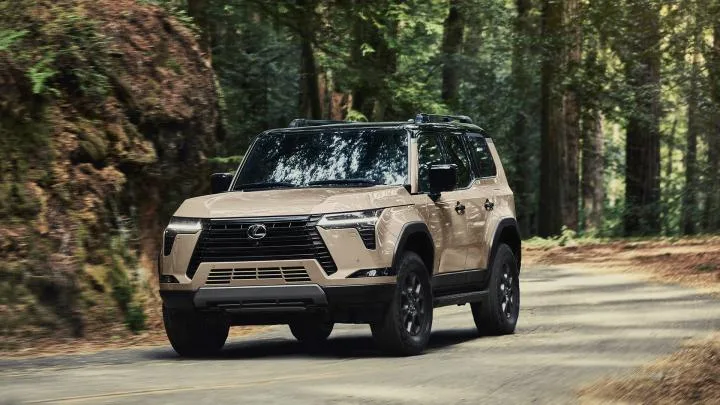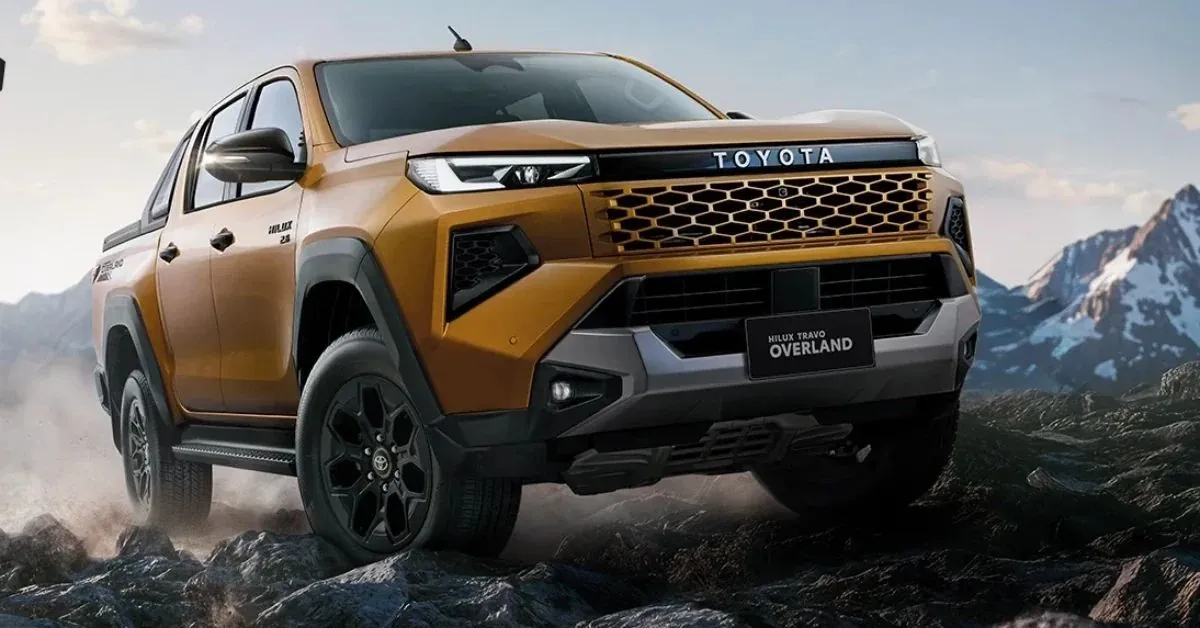
The Next-Gen Toyota Hilux has long served as the benchmark for unyielding durability in the commercial and recreational light-truck segments. Built on a legacy of surviving the most hostile environments across the globe, the world’s most recognized mid-size pickup truck enters its newest iteration with significant engineering refinements. Rather than abandoning its rugged ladder-frame heritage, Toyota has strategically integrated modern powertrain technology and electronic traction management to elevate both on-road refinement and extreme off-road performance. For automotive tuners, overland builders, and mechanical enthusiasts, these developments present a shifting paradigm in how low-end torque is delivered, how heavy-duty builds are configured, and how aftermarket modifications can be optimized for real-world reliability.
Understanding the balance between factory engineering and performance customization requires a deep dive into the underlying platform changes. From the introduction of 48-volt electrical architecture to the retention of high-stress mechanical hardware, the latest Hilux platform provides a robust foundation for serious overland builds. Unpacking these powertrain shifts, suspension dynamics, thermal considerations, and ECU logging techniques reveals how enthusiasts can extract maximum performance from this iconic platform.
Drivetrain Engineering: The 48-Volt Diesel Revolution
At the heart of the updated Hilux powertrain lineup is the refined 1GD-FTV 2.8-litre inline four-cylinder double-overhead-camshaft turbodiesel engine. In its standard configuration, this internal combustion engine utilizes a variable-nozzle turbocharger paired with a water-cooled intercooler to generate 204 horsepower and a formidable 500 Newton-meters of torque. The defining breakthrough for the latest generation, however, is the integration of Toyota’s first-ever 48-volt mild-hybrid system designed specifically for heavy-duty diesel applications.
This system replaces the conventional starter motor with a permanent magnet synchronous electric motor-generator. Driven by the crankshaft via a specialized two-arm belt tensioner featuring high-strength aramid cords, the motor-generator is designed to withstand severe dust, mud, and water exposure. The motor draws power from a compact 48-volt lithium-ion battery housed strategically beneath the rear passenger seats, ensuring that interior cab space, bed capacity, and chassis ground clearance remain uncompromised.
The primary performance gain realized by this hybrid architecture lies in low-speed torque filling. Turbocharged diesel engines inherently experience a brief lag period at ultra-low engine speeds before sufficient exhaust pressure builds to spool the turbine. The 48-volt electric motor addresses this mechanical limitation by delivering an instant supplementary boost of up to 12 kilowatts of power and 65 Newton-meters of torque directly to the crankshaft at off-the-line acceleration and speeds below 1,000 RPM.
For technical driving and rock crawling, this instantaneous torque delivery is transformative. The electric assist allows the engine’s idle speed to be reduced to approximately 600 RPM during low-range operation. This enables precise, predictable throttle modulation over steep obstacles without the sudden engine surges typically caused by aggressive turbo boost onset. Furthermore, during deceleration, the motor-generator acts as a regenerative unit, converting kinetic energy back into electrical power while applying auxiliary engine braking to ease the thermal burden on the mechanical braking system.
Tuning Potential and ECU Performance Calibration

For performance tuners and diagnostic specialists utilizing tools like TorqueXpert, the 1GD-FTV platform continues to be one of the most responsive diesel platforms on the market. Factory diesel calibrations are heavily constrained by global emissions standards, conservative thermal safety margins, and variable fuel quality allowances. By conducting real-world diagnostic logging and recalibrating the engine management software, substantial performance reserves can be safely tapped.
A Stage 1 software recalibration on a healthy 2.8-litre engine typically yields power increases in the range of 35 to 45 horsepower and torque increases between 80 and 100 Newton-meters without replacing hard mechanical parts. Achieving these gains safely involves fine-tuning rail pressure curves, optimizing multi-stage fuel injection timing, and adjusting variable-geometry turbo vane position to build boost lower in the rev range.
However, tuning an overland-focused vehicle requires a vastly different philosophy than tuning a street-driven performance vehicle. Overland builds carry immense constant weight in the form of steel armor, roof racks, camping equipment, and oversized tires. When climbing long mountain passes under heavy load, sustained thermal strain becomes the primary point of failure. Proper recalibration must prioritize thermal management over absolute peak output.
Diagnostic logging via live OBD data capture is vital during the tuning process. Key parameter PIDs that must be monitored continuously during load testing include Exhaust Gas Temperature, boost pressure, fuel rail pressure, manifold absolute pressure, charge air cooler output temperature, and automatic transmission fluid temperature. If exhaust gas temperatures exceed safe thresholds for extended periods, oil breakdown accelerates, and turbocharger longevity drops drastically. A well-engineered torque curve for an overland Hilux optimizes mid-range power between 1,800 and 3,200 RPM while incorporating automatic fueling thermal roll-backs if exhaust gas temperatures rise beyond acceptable limits.
Chassis Dynamics and Heavy-Duty Suspension Engineering
While the powertrain provides the momentum, the underlying chassis determines how effectively that force is translated to the terrain. The Hilux retains its high-tensile steel ladder-frame chassis built on Toyota’s proven IMV architecture, offering rigid torsional strength required for severe off-road flex. Up front, the vehicle utilizes an independent double-wishbone setup, while the rear relies on a heavy-duty rigid axle suspended by leaf springs.
From the factory, suspension tuning is a compromise designed to accommodate an unladen bed while preserving a comfortable ride on paved highways. Once an enthusiast transforms the truck into an overland rig, this factory setup becomes inadequate. Adding weight to the bed causes rear leaf sag, severely compromising departure angles, reducing shock travel, and disrupting front-end alignment geometry.
A comprehensive suspension upgrade begins with calculated spring rates. Installing a two-to-three-inch heavy-duty suspension lift utilizing parabolic leaf springs or constant-load multi-leaf packs raises the rear ride height back into its optimal stroke window. Parabolic leaf springs offer lower inter-leaf friction, producing smoother articulation over technical terrain while handling heavy payload demands.
Up front, adjustable coilover assemblies equipped with remote-reservoir bypass shock absorbers are critical. Remote reservoirs increase oil volume significantly, preventing shock fade caused by fluid aeration and overheating during high-speed corrugation driving over long gravel stretches. Upgrading front upper control arms is equally imperative when installing a lift; aftermarket arms restore proper castor and camber geometry.
+——————————————————————————-+
| NEXT-GEN HILUX OVERLAND CHASSIS SETUP |
+——————————————————————————-+
| [ Front Suspension ] – Double-Wishbone + Remote-Reservoir Coilovers |
| [ Upper Control ] – Heavy-Duty Aftermarket Arms for Correct Castor |
| [ Rear Suspension ] – Heavy-Duty Parabolic / Constant-Load Leaf Pack |
| [ Traction Control ] – Electronic Multi-Terrain Select + Rear Locker |
+——————————————————————————-+
Essential Trail Protection and Recovery Hardware
Navigating remote trails filled with sharp boulders, fallen timber, and deep rutted tracks demands comprehensive vehicle protection. Without adequate armor, a single miscalculated line can rupture critical fluid lines, damage body panels, or puncture engine oil pans.
Vehicle armor begins at the front fascia. Replacing the plastic factory bumper with a high-clearance, winch-compatible steel or aluminum bull bar drastically improves the approach angle while providing vital protection for the radiator and intercooler. Integrated recovery points rated for direct pull forces are essential for safe vehicle extractions. Housed within the bumper, a electric winch rated for at least nine thousand to twelve thousand pounds, spooled with synthetic rope, acts as the ultimate self-recovery insurance policy in deep mud or unyielding sand.
Moving along the underbody, full-coverage skid plates constructed from high-strength aluminum alloy or hot-rolled steel must be installed to shield the engine oil pan, transmission casing, transfer case, and fuel tank. Factory stamped-metal guards offer minimal impact resistance against hard rock strikes. Furthermore, heavy-duty rock sliders mounted directly to the main chassis frame rails protect the rocker panels from crushing under the vehicle’s full weight while serving as stable jacking points for high-lift farm jacks.
Traction upgrades must also be factored into any trail preparation. Upgrading to aggressive All-Terrain or Mud-Terrain tires in a 33-inch outer diameter dimension expands the tire contact patch, increases ground clearance beneath the differential housings, and vastly improves puncture resistance along the sidewalls. When paired with beadlock-capable wheels, tire pressures can be safely reduced down to low PSI ranges to conform over loose rocks and float over soft desert sand without the risk of breaking the tire bead off the wheel rim.
Intake Systems, Wading Capabilities, and Airflow Dynamics
Crossing deep rivers and traversing dusty convoy routes present severe hazards to internal combustion engines. Hydro-locking an engine due to water ingestion or dusting a turbocharger with fine airborne silica will permanently terminate an overland expedition.
The latest Hilux maintains a impressive factory water-wading depth of 700 millimeters. Achieving this depth safely is a result of meticulous factory sealing around sensitive electronic components, high-mounted breather valves on the front and rear differentials, transfer case, and transmission, and raised air intake locations. In fact, the 48-volt hybrid system’s belt tensioner mechanism and electrical junction boxes are engineered to endure up to ten minutes fully submerged in static water without suffering water ingress or mechanical slippage.
To further elevate water crossing safety and ensure a clean supply of intake air, installing a dedicated raised air intake snorkel is considered standard practice for overland preparation. A quality snorkel draws cooler, dust-free air from roof level, far above the dust clouds kicked up by preceding vehicles on unpaved roads. The ram-air head design forces heavy dust particles and rain droplets outward through drainage slits before air ever reaches the primary engine air filter box.
Inside the engine bay, maintaining high-efficiency air filtration is vital for turbocharger longevity. High-flow oiled cotton gauze filters, while popular in street racing, should generally be avoided on dust-heavy overland vehicles, as fine dust particles can migrate through the oiled fibers and coat the Mass Air Flow sensor. Dry, multi-stage paper element filters or heavy-duty polyurethane pre-cleaners provide superior filtration efficiency, keeping air sensors clean and protecting the precision compressor wheel blades of the variable-geometry turbocharger.
Advanced Traction Control and Telematics Integration
Modern off-roading relies heavily on the integration of physical mechanical locks and sophisticated electronic traction management systems. The latest Hilux features Toyota’s refined Multi-Terrain Select system integrated alongside traditional selectable four-wheel-drive low-range gear sets.
Multi-Terrain Select allows the driver to toggle between preset modes such as Mud, Sand, Rock, Dirt, and Deep Snow. The system automatically recalibrates wheel slip thresholds, throttle sensitivity, transmission shift logic, and electronic brake force distribution to match the selected terrain. In rock crawling modes, the system applies precise brake vectoring to spinning wheels, instantly transferring drive torque across the axle to the wheel possessing ground traction.
For extreme scenarios where wheel lifting occurs, the vehicle retains a selectable mechanical rear differential locker. Engaging the rear locker physically splines the left and right rear axle shafts together, ensuring fifty-fifty power distribution regardless of traction differences between tires.
Complementing these physical systems is an updated digital cockpit featuring dual 12.3-inch displays that provide real-time vehicle telematics. Drivers can monitor wheel articulation angles, pitch and roll orientation, tire pressure monitoring readings, and drive torque split directly from the primary instrument cluster. This real-time diagnostic feedback allows off-roaders to make informed driving line adjustments before exceeding mechanical grip limits.
The Future of Heavy-Duty Overland Platforms

The evolution of the Toyota Hilux demonstrates that progressive electrification and traditional off-road toughness are not mutually exclusive concepts. By augmenting a bulletproof turbodiesel architecture with low-voltage hybrid assistance, engineers have successfully smoothed out low-RPM power delivery, elevated fuel efficiency, and enhanced trail maneuverability while retaining maximum towing and payload capacity.
For tuners, mechanics, and overland builders, the modern Hilux remains a prime canvas for customization. From software recalibrations that optimize torque delivery under heavy load to fully integrated suspension lifts, heavy armor, and snorkel systems, understanding the mechanical and electronic intricacies of this updated platform is essential. When engineered with precision, monitored with live OBD data diagnostics, and equipped with quality trail hardware, the next-generation Hilux reinforces its standing as an unshakeable platform for global adventure.
Follow us on instagram @torquexpert for daily updates .
Also see-